
What if the most frequent point of contact in your home was the one detail you considered the least? You have likely spent hours selecting the perfect unlacquered brass cabinet pulls or oil-rubbed bronze door levers, only to have that visual flow interrupted by a standard, stark white plastic cover. When selecting switch plates, a high volume of homeowners settle for what is available rather than what is beautiful. In a 2023 interior design study, 65 percent of renovators cited finishing touches as their primary source of decision fatigue. We understand that these small elements are more than just metal; they are an investment in the tactile story of your home.
At The Hardware Hut, we believe every room deserves a designer-level finish that honors your personal style. This guide will help you elevate your space by choosing hardware that harmonizes with your existing finishes, moving beyond simple utility into the realm of intentional craftsmanship. You will discover the lasting beauty of premium materials like solid brass and bronze, gain clarity on complex multi-gang layouts, and find the confidence to complete a seamless DIY installation. Whether you’re finishing a total remodel, building your dream home, or simply refreshing a single room, we’re here to help you master the silent detail that brings your vision together.
Key Takeaways
- Discover how to elevate your home’s narrative by understanding the “silent detail” of hardware—the meaningful first touch that defines a guest’s experience.
- Navigate technical configurations with ease, from identifying specific “gang” requirements to choosing between traditional toggles and modern rocker styles.
- Explore the timeless appeal of premium materials, selecting the perfect switch plates in curated finishes like unlacquered brass or hand-forged iron.
- Learn the golden rule of hardware coordination to seamlessly harmonize your wall plates with your existing cabinet hardware for a sophisticated, cohesive look.
- Master a safe, step-by-step installation and maintenance process that preserves both the integrity of your hardware and the beauty of your home.
More Than Just Metal: The Philosophy of Decorative Switch Plates
Great design begins at the door. While large furniture pieces often take center stage, the true character of a home lives in the silent detail. We believe that hardware shouldn’t be an afterthought. Whether you’re building a custom estate, remodeling a kitchen, or simply upgrading a guest room, switch plates offer a unique opportunity to elevate your environment. They aren’t just covers for electrical components; they’re the primary way you and your guests interact with your home’s architecture every single day.
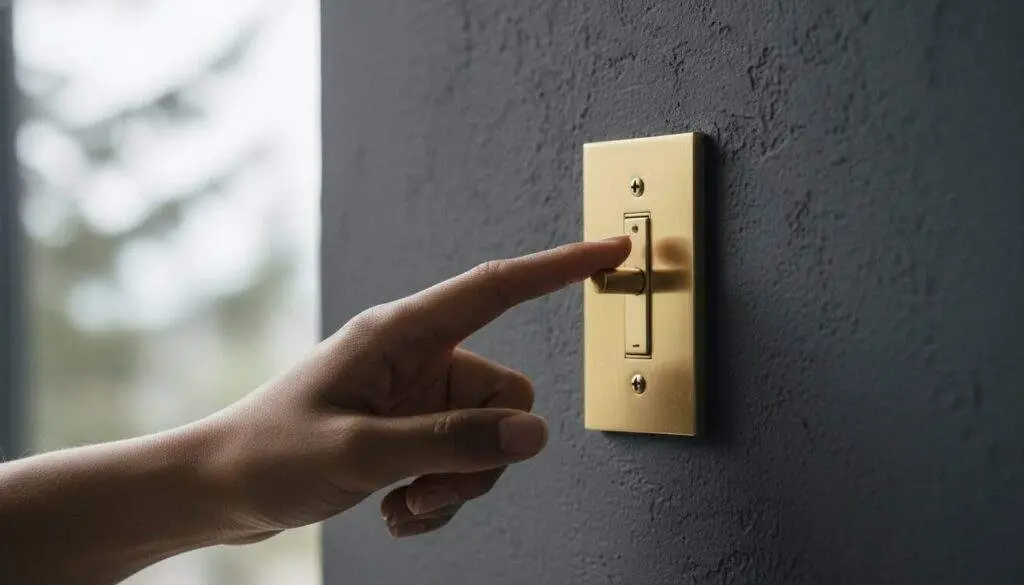
We call this the “First Touch” concept. It’s the moment your hand meets the wall to illuminate a room, creating a tactile impression that sets the tone for the entire space. Moving beyond builder-grade plastic allows you to tell a deeper story of quality and intentionality. It’s a shift from seeing a house as a collection of utilities to viewing it as a curated sanctuary of craftsmanship.
The Impact of the Silent Detail
Small hardware changes create a cumulative effect of luxury that resonates throughout a home. When every element is chosen with care, the result is a feeling of cohesion and sophistication. The psychological impact of tactile quality is profound. When a guest feels the cool, heavy weight of a premium plate, they subconsciously register that every part of the home has been handled with hospitality and pride. A decorative switch plate is a bridge between utility and art, serving as a functional sculpture that complements your interior vision.
Why Quality Materials Matter for Longevity
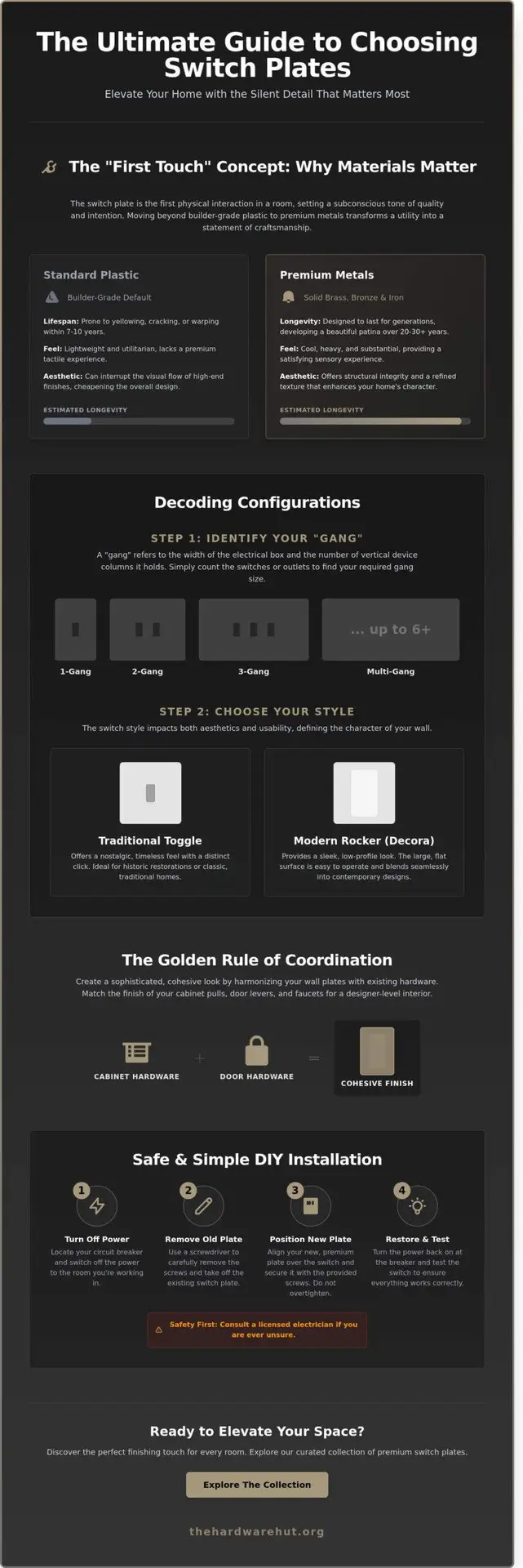
Durability is the foundation of any heritage home. Standard industrial plastics often show signs of fatigue, yellowing, or cracking within 7 to 10 years of installation. In contrast, premium-grade metals are designed to last for generations. The History of the Light Switch demonstrates how far we’ve come since John Henry Holmes patented the quick-break switch in 1884, yet the importance of a sturdy housing remains unchanged. Metal switch plates offer several advantages:
- Structural Integrity: Solid brass and bronze won’t warp or snap during installation or daily use.
- Aesthetic Aging: High-quality finishes develop a beautiful patina over 20 or 30 years, adding character rather than looking worn.
- Refined Texture: Materials like those found in our iron hardware collections provide a sensory experience that plastic simply cannot replicate.
Investing in high-quality hardware is a commitment to longevity. It’s about choosing pieces that you’ll be proud to use in your own home for decades to come. Great design doesn’t stop at the layout of a room; it continues to every wall, ensuring that even the most functional elements contribute to the home’s personality. For a broader perspective on navigating finishes, styles, and categories, our hardware resources guide to elevating your home’s story provides a comprehensive framework for making confident, lasting decisions.
Decoding Configurations: A Guide to Toggles, Rockers, and Duplexes
Every home tells a story through its finishes. The tactile response of a light switch is often the first touch a guest experiences when entering a room. Choosing the right switch plates involves more than matching colors; it requires an understanding of the technical “gang” system. In hardware terms, a “gang” refers to the width of the electrical box and the number of devices it holds. A 1-gang plate covers a single switch, while a 6-gang plate manages a sophisticated bank of controls. Identifying your needs starts with a simple count of the vertical rows of screws present in your current wall box.
The aesthetic narrative of your space often hinges on the choice between traditional toggles and modern rockers. Traditional toggle switches offer a nostalgic, timeless feel that suits historic restorations or classic builds. Conversely, the rocker style, often called “Decora” after its 1972 debut by Leviton, provides a sleek, low-profile look. These flat, wide switches are easier to operate with an elbow or a full hand, blending utility with a contemporary silhouette. When you curate your home’s hardware, consider how these shapes interact with your architectural lines.
Outlet configurations require similar attention. The standard duplex outlet features two rounded openings, often resembling a small face. Modern kitchens and bathrooms frequently utilize GFCI outlets or “Rocker” outlets, which share the same rectangular footprint as Decora switches. If your wall box houses a mix of these elements, you’ll need “Combo” plates. These specialized covers allow a single, unified plate to house a toggle switch next to a duplex outlet, maintaining a clean, intentional appearance across every wall.
Standard vs. Oversized Wall Plates
Precision is the hallmark of quality craftsmanship. A standard wall plate typically measures 2.75 inches by 4.5 inches, offering a minimalist profile that sits flush against the wall. However, home renovations often reveal gaps in drywall or stubborn paint rings from previous decades. In these instances, “Jumbo” or oversized plates, measuring approximately 3.5 inches by 5.5 inches, provide a functional solution. They hide imperfections while adding a sense of weight and presence to your switch plates. Before ordering, measure your existing opening to ensure the plate’s outer edge provides at least 0.5 inches of coverage beyond the wall’s cutout.
Navigating Complex Gang Configurations
Modern living requires more than just light and power. Many rooms now feature integrated data ports, phone jacks, or cable outlets. These specialized inserts fit into the same rectangular openings as rocker switches, allowing for a seamless look. We recommend performing a room-by-room audit. Count the gangs, identify the device types, and note any unique combinations. For those seeking a cohesive aesthetic, exploring premium iron hardware can elevate these functional points into design statements. This careful planning ensures your hardware feels like an integrated part of the home’s architecture rather than an afterthought.
Materiality and Finish: Choosing the Right Texture for Your Home’s Story
Great design is found in the objects we touch every day. Selecting the right material for your switch plates adds style, strength, and character to your walls. Solid brass remains a favorite for its weight and enduring quality. You might choose a polished gold for a formal parlor or opt for unlacquered heritage finishes. These are known as living finishes. They evolve as they age, developing a unique patina based on the oils of your hands and the humidity of your home. It’s a beautiful way to let your house tell its own story over the years.
For those restoring a 1920s bungalow, glass plates offer a period-correct transparency that lets the wallpaper shine through. Ceramic plates provide a soft, artisanal touch that feels right in a cottage or traditional kitchen. These materials offer a tactile warmth that plastic alternatives simply can’t replicate. Each material represents an investment in craftsmanship that elevates the home’s personality from the first touch.
The Allure of Premium Metals
Metal finishes define the mood of a room. Satin brass offers a muted, modern elegance; oil-rubbed bronze provides a deep, traditional anchor. Looking toward 2026, industry forecasts from the 2024 International Builders’ Show suggest a 20 percent rise in mixed-metal specifications for residential interiors. Polished chrome remains a staple for its clean, reflective properties that brighten dark hallways. For those seeking a rugged, hand-forged aesthetic, iron hardware adds weight and rustic charm to traditional spaces. These choices represent more than just metal. They are the jewelry of your walls.
Coordinating with Room Color Palettes
You can choose to let your hardware blend or stand out. Matching the plate color to your paint creates a seamless, architectural look. However, a bold contrast, like matte black on a white wall, creates a focal point. Always consider the texture of your switch plates. A knurled edge provides a tactile, industrial grip. A brushed finish softens the light’s reflection. Aligning these textures with your light fixtures ensures a cohesive, professional finish throughout the space. It’s the silent detail that completes the home’s narrative.
How to Coordinate Switch Plates with Your Existing Hardware
Great design begins at the door, but it’s truly finished at the wall. Hardware is more than just metal; it’s the tactile language of your home. When selecting switch plates, you face the designer’s eternal choice: the seamless unity of matching finishes or the layered depth of curated eclecticism. Consistency offers a sense of calm and order. A home where the door lever, the cabinet pull, and the wall plate all share a common finish feels intentional and grounded. However, mixing finishes can also tell a compelling story. You might choose a sleek matte black for your high-traffic switches while maintaining warm brass accents for your lighting fixtures. This approach requires a delicate balance of texture, tone, and timelessness.
Kitchen and Bath Coordination
The kitchen is the most critical room for hardware harmony because it contains the highest density of touchpoints. Your switch plates shouldn’t be an afterthought next to your Cabinet Hardware. If you’ve invested in hand-finished bronze pulls, a standard plastic wall plate will break the visual flow. We recommend matching the plate material to your cabinetry’s metalwork to create a professional, integrated look. For those seeking deeper inspiration on finish pairings, The Ultimate Guide to Choosing Cabinet Hardware provides a framework for elevating your home’s story through metallic textures. In a 2023 interior design survey, 78% of respondents noted that matching wall details to plumbing fixtures in the bath creates a more cohesive, spa-like atmosphere. The same principle applies to every hardware touchpoint in the bathroom, from your switch plates to your stylish towel bars, where a unified finish transforms a functional space into a curated sanctuary.
The Whole-Home Narrative
A consistent switch plate style acts as a silent thread that weaves different rooms into a singular narrative. Whether you’re moving from a sunlit entryway to a cozy den, hardware provides the continuity that makes a house feel like a home. It’s vital to bridge the gap between your door levers and the switches immediately adjacent to them. These two elements are often touched in sequence. This makes their visual, tactile, and aesthetic relationship paramount. You can use a unified theme to align entry points with wall details by referencing Choosing Your Home’s Door Hardware. This strategy allows you to unify different hardware brands across a single floor, ensuring that even if the manufacturers vary, the aesthetic remains curated and premium-grade.
Ready to bring harmony to your home’s silent details? Explore our full range of cabinet hardware and coordinating accessories to find your perfect match.
Step-by-Step: How to Install and Maintain Your New Switch Plates
Every home tells a story through its details. The final chapter of your design journey involves the installation of your curated switch plates. This process requires patience, precision, and a respect for the materials that will define your home’s personality for years to come. Whether you are refreshing a single room or completing a full-scale remodel, these steps ensure your hardware performs with style, strength, and simplicity.
Safety is the primary foundation of any home project. Before you touch a single screw, navigate to your circuit breaker and cut the power to the specific room. Once the environment is safe, gather your tools. Leave the power drill in the garage. A manual, flat-head screwdriver offers the tactile control needed to avoid over-tightening. High-torque drills often crack delicate materials or strip the finish from premium-grade screws, ruining the sleek look of your investment.
The Installation Process
Follow this 4-step sequence to ensure a professional result:
- Remove: Carefully unscrew the existing plate and set the old hardware aside.
- Clean: Use a dry cloth to remove dust or paint ridges around the electrical box.
- Position: Align the new plate over the switch, ensuring it sits level against the wall.
- Secure: Thread the screws by hand first, then tighten with your manual screwdriver until snug.
For a truly professional aesthetic, align the screw slots vertically. This small, silent detail creates a sense of order and intentionality that guests notice during their first touch of the room. If you encounter “floating” plates on uneven plaster, don’t force the screws. Instead, slightly loosen the screws that hold the electrical switch to the wall box. This allows the switch to adjust its depth, creating a flush fit against the wall surface without bending the plate.
Caring for Your Investment
Your choice of switch plates represents an investment in craftsmanship. To maintain the beauty of brass, bronze, or wood, you must avoid harsh chemical cleaners. Ammonia-based sprays can strip the protective lacquer or prematurely age “living finishes” that are designed to patina naturally over time.
For metal finishes, a simple wipe with a soft, damp microfiber cloth followed by a dry one is sufficient. Wood plates benefit from a light dusting to preserve their organic warmth. This simple routine ensures that the tactile experience remains as luxurious as the day it was installed. By treating these pieces with hospitality and care, you protect the integrity of your home’s design and ensure every interaction feels premium-grade.
Refine Your Home’s Silent Details
Choosing the right hardware is about more than just utility; it’s about the tactile way you interact with your space every day. You’ve learned how to decode configurations like rockers and toggles while coordinating finishes that speak to your home’s unique story. These small choices represent a significant investment in craftsmanship that guests will feel with every touch. By selecting high-quality covers, you turn a functional necessity into a design statement that adds style, durability, and character to your room’s aesthetic.
Spokane Hardware Supply has provided hardware expertise since 1945, totaling over 80 years of family-owned service. Our curated selection features premium-grade materials from world-class manufacturers, ensuring that every piece we sell is something we’d proudly use in our own homes. We provide fast, secure shipping for residential and trade professional projects to keep your timeline on track. Elevate your home’s story with our curated collection of premium switch plates. It’s time to give your walls the elegant finish they deserve.
Frequently Asked Questions
What is the difference between a toggle and a rocker switch plate?
Toggle switch plates feature a small, 0.4 inch by 0.9 inch rectangular opening designed for traditional flip levers. Rocker plates, often called Decora, use a larger 1.3 inch by 2.6 inch opening for flat, wide switches. Whether you prefer a classic silhouette or a modern aesthetic, choosing the right switch plates ensures a cohesive look. Rocker styles currently account for 75% of new construction installs due to their sleek, accessible design.
How do I know what “gang” size I need for my wall switch?
You determine the gang size by counting the number of individual switches or outlets located in a single wall box. A single-gang plate is 2.75 inches wide, while a double-gang plate measures 4.5 inches to accommodate two devices. This silent detail is vital for a precise fit. Most residential homes utilize 1-gang through 4-gang configurations. Larger 5-gang or 6-gang options are available for complex lighting hubs in grand entryways.
Can I match my switch plates to my Emtek door hardware?
You can absolutely match your switch plates to your Emtek door hardware to create a unified design story. Emtek offers 7 distinct plate styles that mirror the premium-grade materials and finishes found in their handle sets. This curated approach ensures that every “first touch” in your home, from the door lever to the light switch, feels intentional. Choosing matching Satin Brass or Flat Black finishes provides a sophisticated, timeless continuity throughout every room.
Do decorative switch plates come with matching screws?
Premium decorative plates from our curated collections always include color-matched screws to maintain a seamless appearance. These 1/2 inch or 5/16 inch oval head screws are finished with the same craftsmanship as the plate itself. Standard plastic plates often use generic white screws, but high-end metal versions ensure 100% visual consistency. It’s a small investment in quality that prevents a bright silver screw from disrupting a beautiful Oil Rubbed Bronze finish.
What is a “living finish” on a brass switch plate?
A living finish is an unlacquered surface designed to evolve and age naturally through touch and environmental exposure. These finishes, such as unlacquered brass, develop a rich patina over a 6 to 12 month period. This process reflects the unique story of your home and the people within it. Because there’s no synthetic coating, the metal’s raw beauty shines through. It’s a choice for those who value authenticity and heritage-inspired materials.
Are oversized switch plates better than standard sizes?
Oversized plates are better when you need to hide 0.5 inches of drywall gaps or paint lines around the electrical box. A standard plate measures 2.75 inches by 4.5 inches, while a jumbo version expands to 3.5 inches by 5.5 inches. Whether you’re remodeling an older home or fixing a contractor’s rough cut, these larger options provide a clean finish. They offer a bold, architectural statement while serving the practical purpose of wall protection.
How do I clean my metal switch plates without ruining the finish?
Clean your metal plates using a soft microfiber cloth dampened with mild dish soap and warm water. You should avoid ammonia-based cleaners or abrasive pads, as they can strip 100% of the protective lacquer in just 3 cleanings. Dry the surface immediately with a clean towel to prevent water spots. This simple care routine preserves the sleek luster and premium-grade finish of your hardware. It ensures your investment remains a beautiful part of your home.
Can I install a new switch plate myself, or do I need an electrician?
You can certainly install a new plate yourself using nothing more than a standard flathead or Phillips screwdriver. The National Electrical Code (NEC) Section 404.9 confirms that faceplate replacement is a safe homeowner task that doesn’t require a licensed electrician. Just ensure the power is off if you’re touching the underlying switch. It’s a 5-minute upgrade that provides an immediate impact. This simple change allows you to elevate your space with minimal effort. For a complete overview of all the hardware categories and decisions involved in a full home renovation, our essential hardware resources guide is a valuable starting point for homeowners at any stage of the process.